

Key takeaways
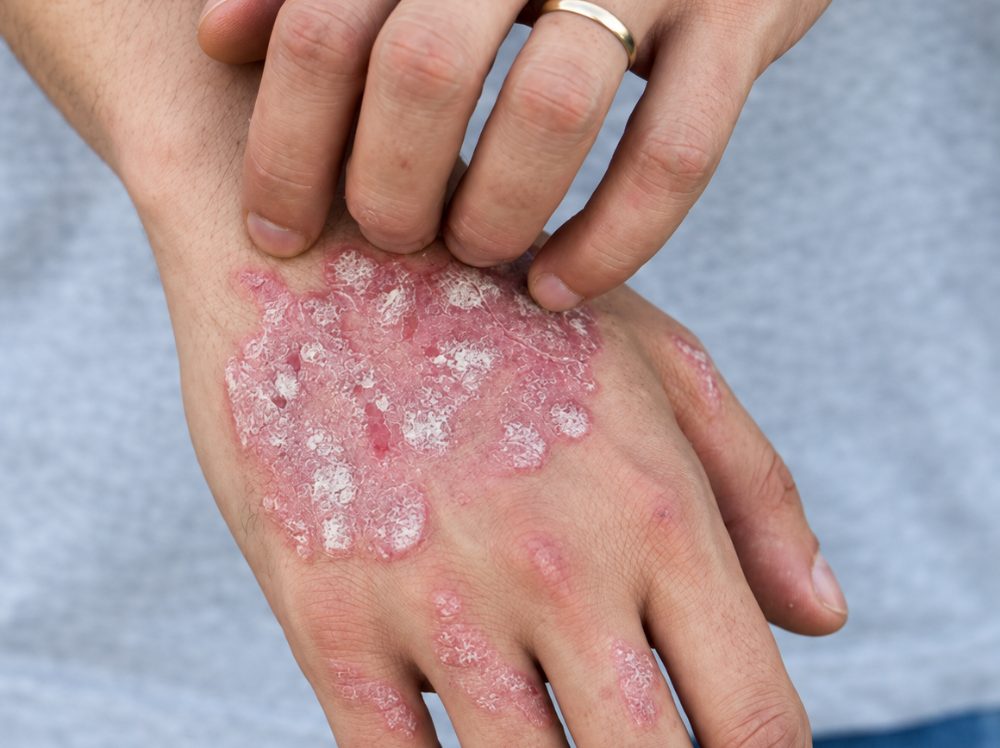
- Psoriasis is an immune system dysregulation that keeps sending an inflammatory signal to the skin.
- Older medicines suppress the whole immune system. This is why they had more side effects and needed regular blood test monitoring.
- Biologics and JAK inhibitors block only the specific signals that are increased in psoriasis. This means better, faster, safer treatment with fewer side effects.
Biologics and JAK inhibitors are targeted psoriasis medicines that block only the immune signals driving the disease, instead of suppressing the whole immune system.
Psoriasis has been managed the same way for years. Older treatment involves steroid ointments, methotrexate and coal tar, with patients assuming this is as good as it gets.
However, newer therapies have made psoriasis treatment safer, faster and more manageable long term.
What are biologics?
- Biologics block one messenger that is elevated in psoriasis, switching off the exact pathway that causes psoriasis plaques.
- They are given under the skin as an injection, once every few weeks to a few months depending on the drug.
- Results are high. Most patients on IL-17 or IL-23 agents reach 90% clearance or better. Many see completely clear skin. If you have psoriatic arthritis, the right biologic treats both skin and joint disease.
What are JAK inhibitors?
- JAK inhibitors are targeted medications that block specific inflammation messages. They have rapid action. Plaques start to settle within the first few weeks.
- Given as oral tablets. Tofacitinib and upadacitinib are JAK inhibitors. They are a good option for patients who do not want injections.
- However they do need blood test monitoring.
Are they safe?
- Compared with years of steroids or methotrexate, the safety profile of modern biologics is generally better.
- Both usually need a workup first to confirm they are safe for you.
Who should consider them?
- Moderate to severe psoriasis, with a large area of involvement.
- Failure to manage only with topical or conventional medications.
- Joint pain or stiffness along with the skin disease.
- Disease on cosmetically visible sites like face, scalp, hands, feet, or nails.
What results can I expect?
- The plaques show improvement in the first 2 to 4 weeks. Most of the clearance is seen by 3 to 4 months.
- Treatment continues with decreased frequency and dosage to keep the disease under remission.
For screening tests, safety, availability in India and the options for eczema and pemphigus, read the full guide: biologics and newer targeted therapies for psoriasis, atopic dermatitis and pemphigus.
These are prescription medicines that need proper assessment and follow up. They are not for everyone, and cost is a real consideration. A proper consultation can clear your doubts and assess the likely benefit in your case.
Book a consultation
Psoriasis that is not settling on creams? A consultation covers whether a newer treatment suits you.
Medical disclaimer. This article is for general education only. It is not a substitute for a consultation and examination by a qualified doctor who knows your medical history. Do not start, stop or change any medicine without medical advice.